
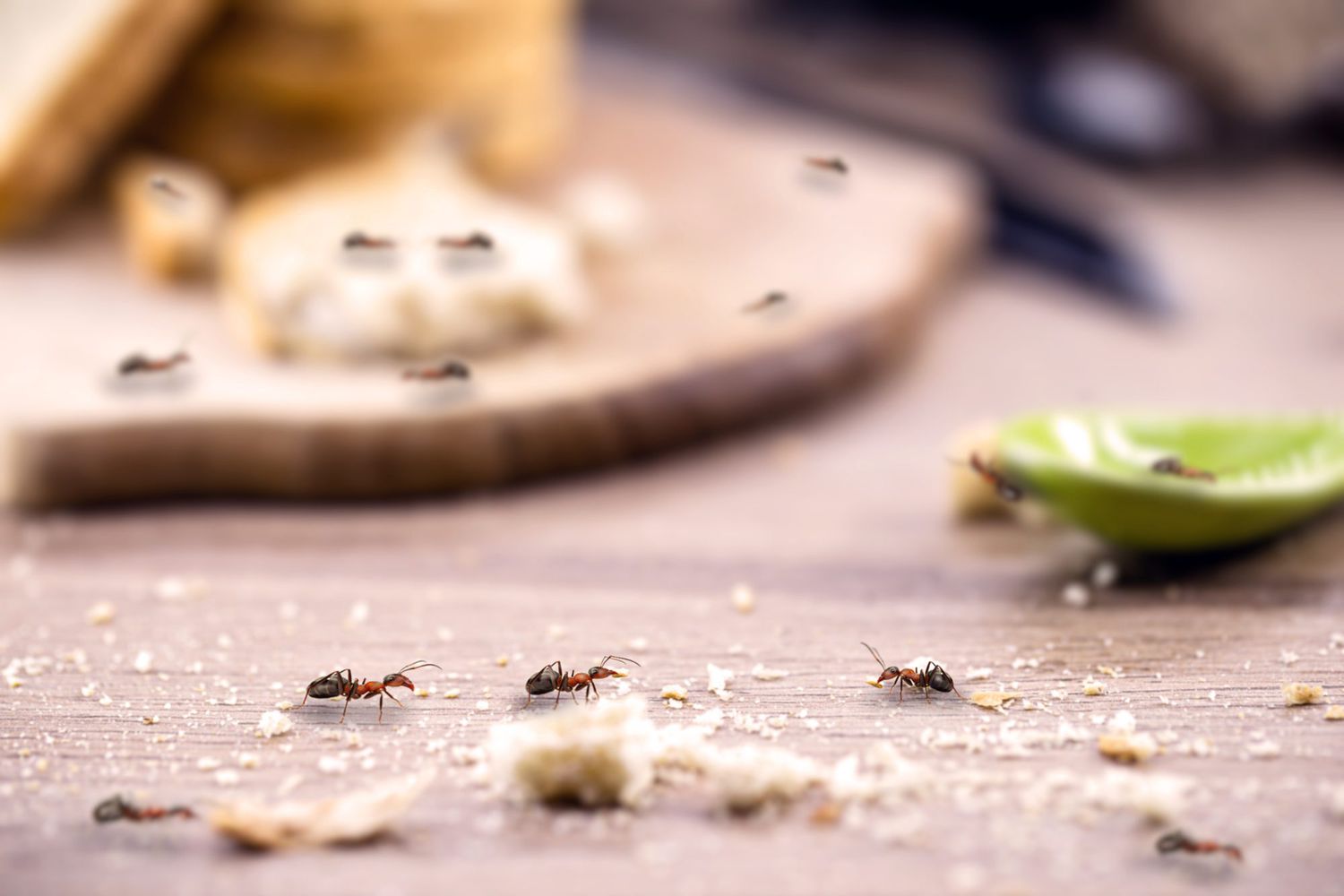
When addressing white ant infestations, it is crucial to consider ethical considerations to ensure the humane treatment of the pests while minimizing harm to humans and the environment. This overview explores the ethical aspects involved in applying white ant treatment and highlights key considerations for promoting responsible and ethical practices.
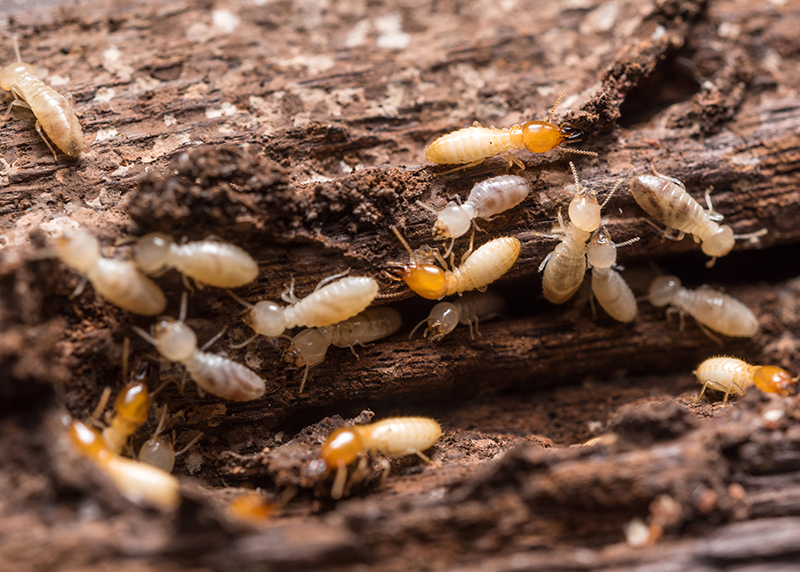
- Humane Treatment of White Ants: Ethical treatment of white ants involves employing methods that minimize unnecessary suffering. Avoid using treatments that cause prolonged pain or distress to the pests, opting instead for effective and humane approaches.
- Minimizing Environmental Impact: Consider the environmental impact of white ant treatment methods. Choose treatments that are eco-friendly, biodegradable, and minimize harm to non-target organisms, such as beneficial insects or wildlife. Selecting less toxic options can help preserve biodiversity and protect the ecosystem.
- Responsible Chemical Use: If chemical treatments are necessary, adhere to responsible chemical use practices. Use only registered and approved products following label instructions and recommended application rates. Properly dispose of chemical containers and adhere to local regulations to prevent contamination of soil and water sources.
- Integrated Pest Management (IPM) Approach: Implement an IPM approach that emphasizes prevention and non-chemical methods. Focus on eliminating conducive conditions, such as moisture control and removing food sources, to discourage white ants’ infestation. Consider physical barriers, natural repellents, and biological control methods as alternatives to chemical treatments.
- Transparent Communication: Maintain transparent communication with clients and stakeholders regarding the treatment methods being employed. Provide information on the potential risks, benefits, and expected outcomes. Ensure clients are aware of any environmental or health considerations associated with the chosen treatment approach.
- Ongoing Education and Training: Stay updated on ethical considerations and advancements in white ant treatment. Attend training programs and conferences to enhance knowledge of responsible pest management practices. Continuously educate staff and clients on ethical treatment methods and encourage the adoption of sustainable pest control practices.
- Compliance with Regulations and Standards: Adhere to local regulations and industry standards related to white ant treatment. Familiarize yourself with legal requirements, licensing, and certification processes. Complying with these regulations ensures that treatments are conducted in a responsible and ethical manner.
Conclusion:
Addressing ethical considerations when applying white ant treatment is crucial for promoting responsible and humane pest management practices. By prioritizing the humane treatment of white ants, minimizing environmental impact, adopting an IPM approach, maintaining transparent communication, and complying with regulations and standards, pest control professionals can ensure ethical practices are followed. These considerations contribute to sustainable pest management and support the well-being of humans, white ants, and the environment.