

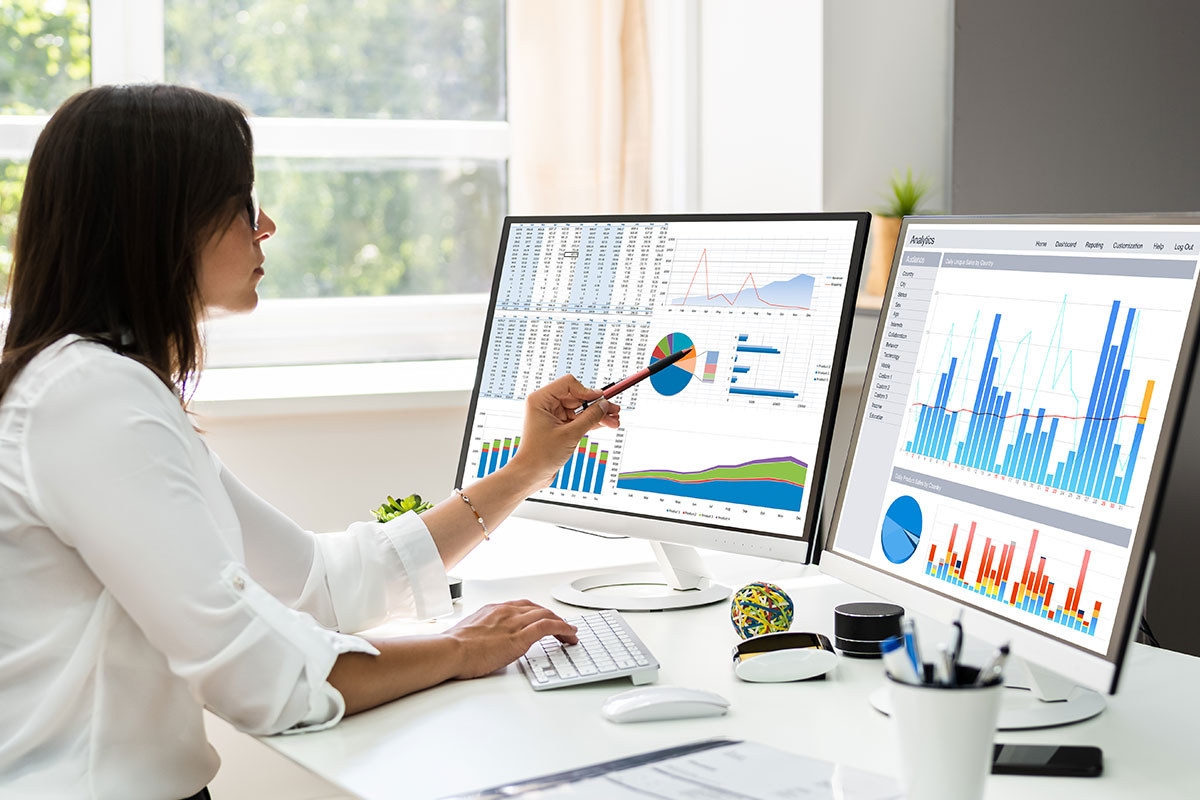
Retail businesses collect numbers all day long. Sales at the counter. Orders online. Returns. Stock updates. Marketing clicks. It adds up quickly. Many teams look for a saas retail data reporting tool because they are tired of switching between systems just to understand what happened yesterday.
This is less about fancy charts and more about breathing space. When data sits in one place, decisions feel less rushed.
Seeing the full picture across channels
Retail no longer happens in one space. Physical stores and online platforms run side by side. Customers move between them without thinking.
But internally, data often stays divided.
A reporting platform built for retail combines:
- In store sales performance
- Ecommerce revenue
- Product level comparisons
- Regional breakdowns
- Promotion tracking results
When those views sit next to each other, patterns surface naturally. A product may perform strongly online but struggle in certain stores. That difference invites questions. Not all answers are obvious. But at least the gap becomes visible.
Real time visibility without constant panic
There is a tendency to believe that faster data always means better decisions. In practice, what matters is timely context.
Retail dashboards that update frequently help teams monitor:
- Fast moving products
- Low stock warnings
- Daily revenue shifts
- Campaign performance changes
But visibility should not create anxiety. Not every dip needs a reaction. Sometimes a short term drop corrects itself. The value lies in knowing the situation clearly enough to decide calmly.
Making reporting relevant to each role
Store managers, regional leaders, and executives do not need identical reports. When everyone sees everything, focus weakens.
Structured retail reporting allows role based access:
- Store managers view daily sales and stock
- Regional managers compare multiple locations
- Leadership reviews overall trends and profitability
This targeted access keeps dashboards practical. People engage more when data feels connected to their daily responsibilities. Adoption improves quietly when tools feel natural.
Growth should not break your reporting system
Retail businesses expand. New stores open. Online traffic grows. Product catalogs widen.
If reporting systems cannot scale smoothly, teams experience slow dashboards or delayed updates. That frustration spreads quickly.
Cloud based platforms are built to handle increasing data volumes without heavy infrastructure changes. Adding a new store should not require rebuilding the entire reporting structure. Scalability sounds technical. In reality, it protects operational flow.
Moving away from manual spreadsheets

Spreadsheets are familiar. Flexible. Comfortable.
But manual reporting creates risks:
- Conflicting file versions
- Formula errors
- Time spent formatting instead of analyzing
- Delayed insight during busy periods
Centralized dashboards reduce those risks by automating updates and standardizing metrics.
And while spreadsheets will probably never disappear entirely, their role becomes smaller. That shift feels gradual at first.
Turning numbers into everyday decisions
Retail analytics should support small, consistent adjustments rather than dramatic reactions.
When sales data, inventory levels, and promotion results appear together, teams can:
- Rebalance stock between locations
- Adjust pricing during slow periods
- Refine marketing timing
- Identify products that quietly underperform
Bringing steadiness to fast moving retail operations
Retail environments rarely slow down. Customer demand shifts without warning. Campaigns succeed or fail quickly.
By using a saas retail data reporting tool, businesses organize scattered information into structured dashboards that support clearer daily decisions. Teams spend less time compiling numbers and more time responding thoughtfully.
Clear reporting does not eliminate uncertainty. But when insight becomes part of the routine instead of a separate task, operations feel more controlled and far less reactive.