
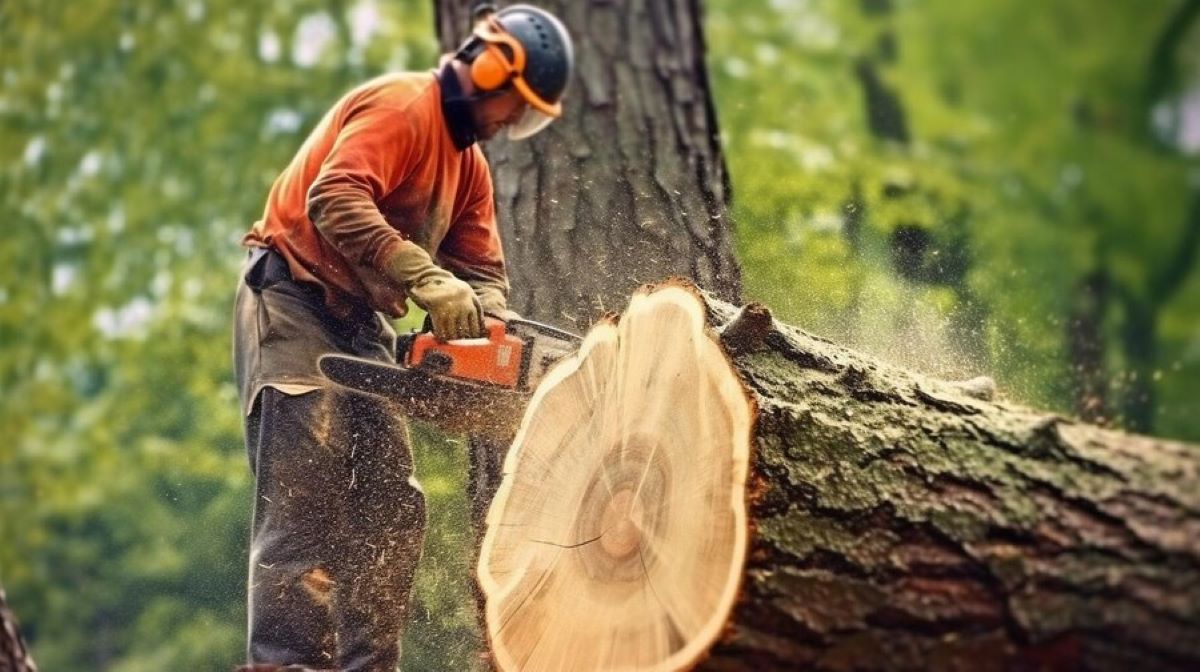
Heavy storms often leave trees under hidden stress that becomes dangerous later. Careful checking through arborist tree assessment helps notice damage before branches fall unexpectedly. Strong wind and rain pressure can weaken roots without showing clear signs. Broken limbs may stay hanging for days before falling suddenly. Proper inspection keeps outdoor areas safe after rough seasonal changes.
Hidden damage may appear after strong storms
Storm pressure can weaken tree parts without clear outside marks.Checking early helps stop sudden breakage that may happen later.
Loose soil around roots shows instability.
Heavy rain can move soil, which supports large tree roots.Unstable ground makes tall trees lean slowly without warning signs.
Cracks on the trunk surface show weakness
Visible lines on bark may mean internal wood damage exists.
- Deep trunk cracks show stress caused by strong wind pressure
- Split bark areas indicate the tree’s body has lost natural strength support
- Open lines allow water inside, causing slow inner decay
- Long cracks near the base increase the chance of the tree falling
- Uneven trunk shape shows pressure not balanced properly
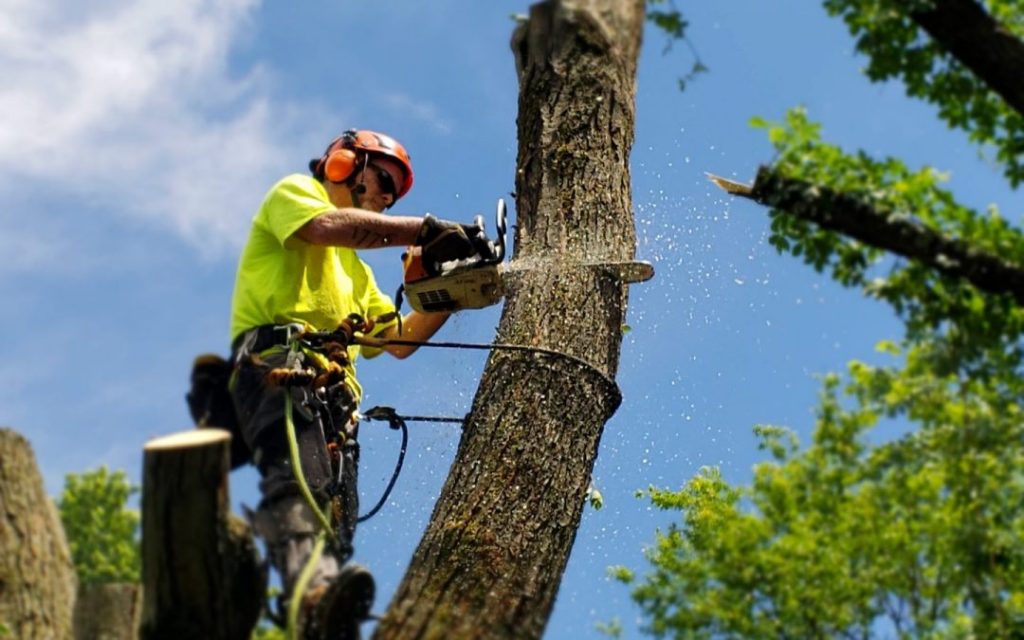
Hanging branches create a sudden falling risk
Broken limbs may stay attached but can drop anytime later.
- Half-broken branches remain stuck after a heavy storm movement
- Dry hanging parts fall quickly during the next windy weather
- Split joints show the branch connection already damaged badly
- Large limbs over the roof create a serious safety concern
- Loose twigs indicate the top area faced strong shaking
A leaning position means the root support weakened.
Trees standing at angle often lose firm ground support.
- Sudden tilt shows roots moved after the soil became loose
- One side lifting soil means the balance is already disturbed
- Leaning toward building increases the chance of damage risk
- Roots exposed above ground show strong water movement
- Angle change after storm signals an internal weakness problem
Why is an inspection needed after heavy weather?
Storm impact may not show damage immediately after the rain stops.A hidden weakness can grow worse when the next wind arrives suddenly.Quick checking keeps the surroundings protected from unexpected tree failure.
When should professional checking be done?
Early inspection prevents small damage from turning into a large danger.
- After strong winds shake branches heavily for a long time
- When a tree stands closer to buildings or power lines
- If the soil looks moved around the root area suddenly
- When leaves fall even during the normal growing season
- If trunk shows marks after storm pressure.
Safe Future Growth
Careful monitoring keeps trees strong even after rough seasonal weather. Proper arborist tree assessment helps find hidden damage before accidents happen. Balanced roots and branches keep the structure stable during future storms. Early repair reduces the risk for buildings nearby outdoor areas. Regular checking ensures trees stay healthy and safe for a long time.